
Everyone has pain.
Everyone is worthy of healing.
Despite this universal truth, the journey to healing looks different for everyone. Each process is shaped by a person’s story — their context, the characters, their specific traumas, and the family systems that responded to them.
🖤 The Context for Black Men and Boys
For many Black men and boys in Ontario, Canada, the backdrop of healing carries unique weight:
-
A fairly recent migration experience
-
Covert and overt racism and prejudice
-
Limited time and attention from caregivers (often due to economic pressures)
-
Sexual trauma — ranging from early exposure to adult sexuality during unsupervised time with peers to imposed sexual acts with adults.
And that’s only part of the story.
Layered on top are the historical and ongoing realities of enslavement, striving to fit into predominantly white spaces, fear of police brutality, biased treatment in education and workplaces, and the often uninformed or dismissive responses to our pain.
According to the Mental Health Commission of Canada, Black Canadians are:
-
More likely to experience discrimination in mental health care
-
Less likely to seek help due to mistrust or lack of cultural understanding
These numbers reflect a deep truth: representation and empathy matter.
When Trauma Presses Pause
Trauma doesn’t just hurt — it hinders. It can press pause on our emotional development, disrupting the journey toward becoming the full expression of who God designed us to be.
As a result, many men wander through detours of identity — not because they don’t want to grow, but because no mature or healing voice was there to speak into their pain.
That’s why being seen and heard by someone who understands your story matters.
“The purposes of a person’s heart are deep waters,
but one who has insight draws them out.”
— Proverbs 20:5
Representation and Relationship Matter
Over the years, I’ve experienced therapy and counselling with professionals from different backgrounds. Some were deeply helpful, others less so. What made the difference?
Genuine care. Depth of experience. Integration of faith. These factors matter to me.
I am aware that healing can happen across difference, too. I’ve worked with girls and women of various cultures who experienced sexual and familial trauma. For them, having a safe experience with a male professional, and a Black male at that, became part of their healing journey.
Still, the sigh of relief, the tear of release, or the smile of recognition that comes when a Black man sits across from a safe Black male therapist or counsellor — it matters. Representation doesn’t guarantee connection, but it creates a doorway that might otherwise stay closed.
Healing Through Connection
As I continue to grow and collaborate, I’m grateful for the growing number of Black male practitioners who are showing up, creating space, and helping others heal.
If you find yourself hesitant to reach out for help — unsure, skeptical, or simply tired of trying — please know: you are not alone.
Healing may begin not with a leap, but with a conversation.
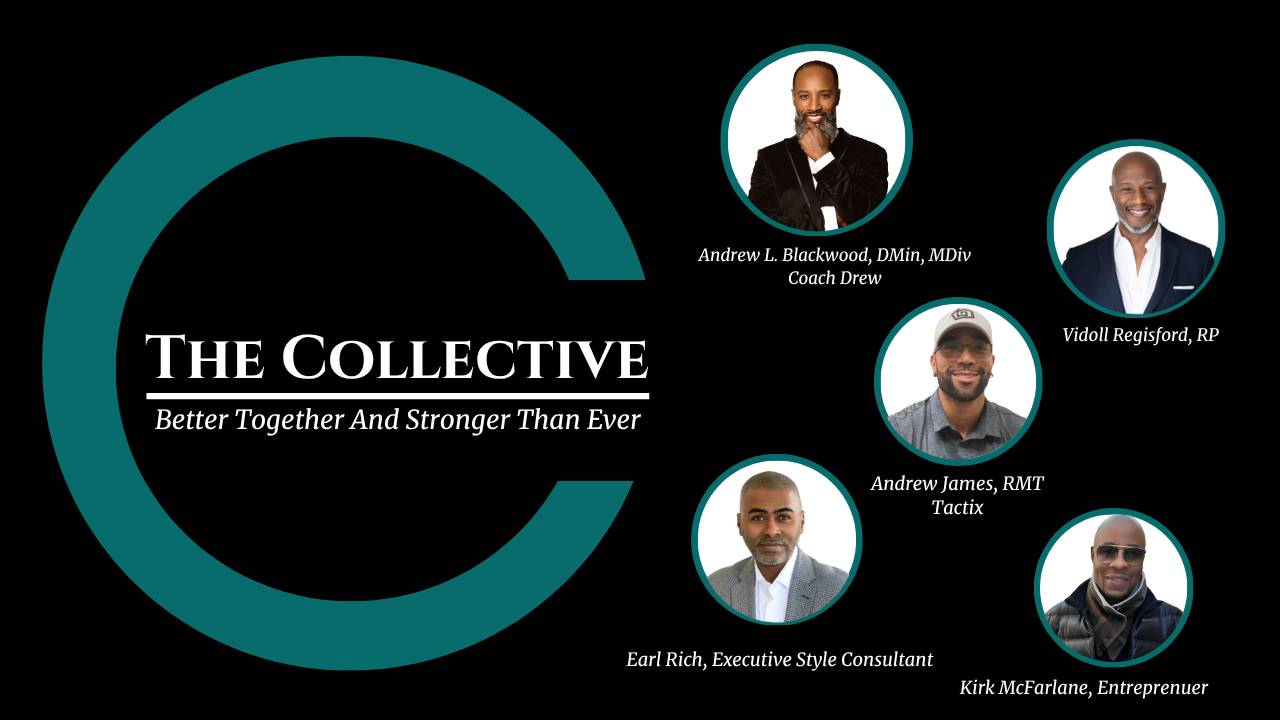
That’s part of why we created The Collective — a space where faith, mental health, and community intersect.
🎧 Listen:
In a recent episode of The Collective Podcast, my friend Vidoll Regisford and I explored The Narrative of Black Masculinity — how the stories we inherit shape how we see ourselves, our strength, and our healing.
👉 Listen to the episode here
Culturally Informed Care
No one has all the answers. Healing doesn’t come from being “fixed” — it comes from being met with competence, compassion, and connection.
"Talk therapy" isn’t just talking. It’s a balance of the right tools, insight, lived experience, and spiritual wisdom that unlocks both pain and potential.
“Carry each other’s burdens, and in this way you will fulfill the law of Christ.”
— Galatians 6:2
That’s what healing looks like — being in the room, carrying burdens together, and helping one another become whole.
Reflection Question
What does being “in the room” look like for you right now — and who might need you to be in the room for them?
📩 If this reflection resonates with you, I’d love for you to share it or forward it to someone who might need to hear:
You are worthy of healing.
Yours with compassionate and competent care,
— Dr. Andrew L. Blackwood (Coach Drew)
Contributor, Inside the Collective
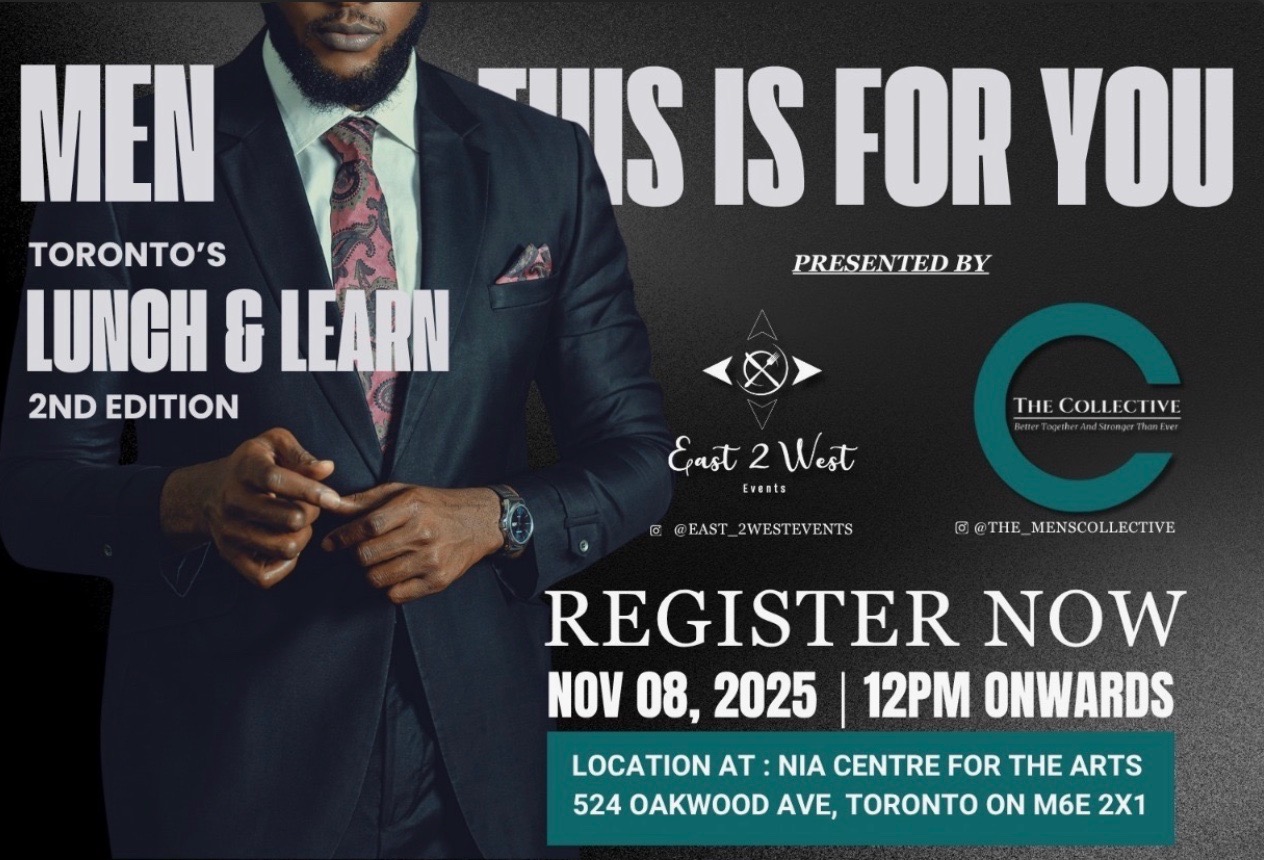
p.s. If you're reading this before November 8th, you're invited to attend our Lunch & Learn. Click here to register right away, seats are limited.

Responses